Telematics, honestly: who saves with a driving app — and who shouldn’t plug in
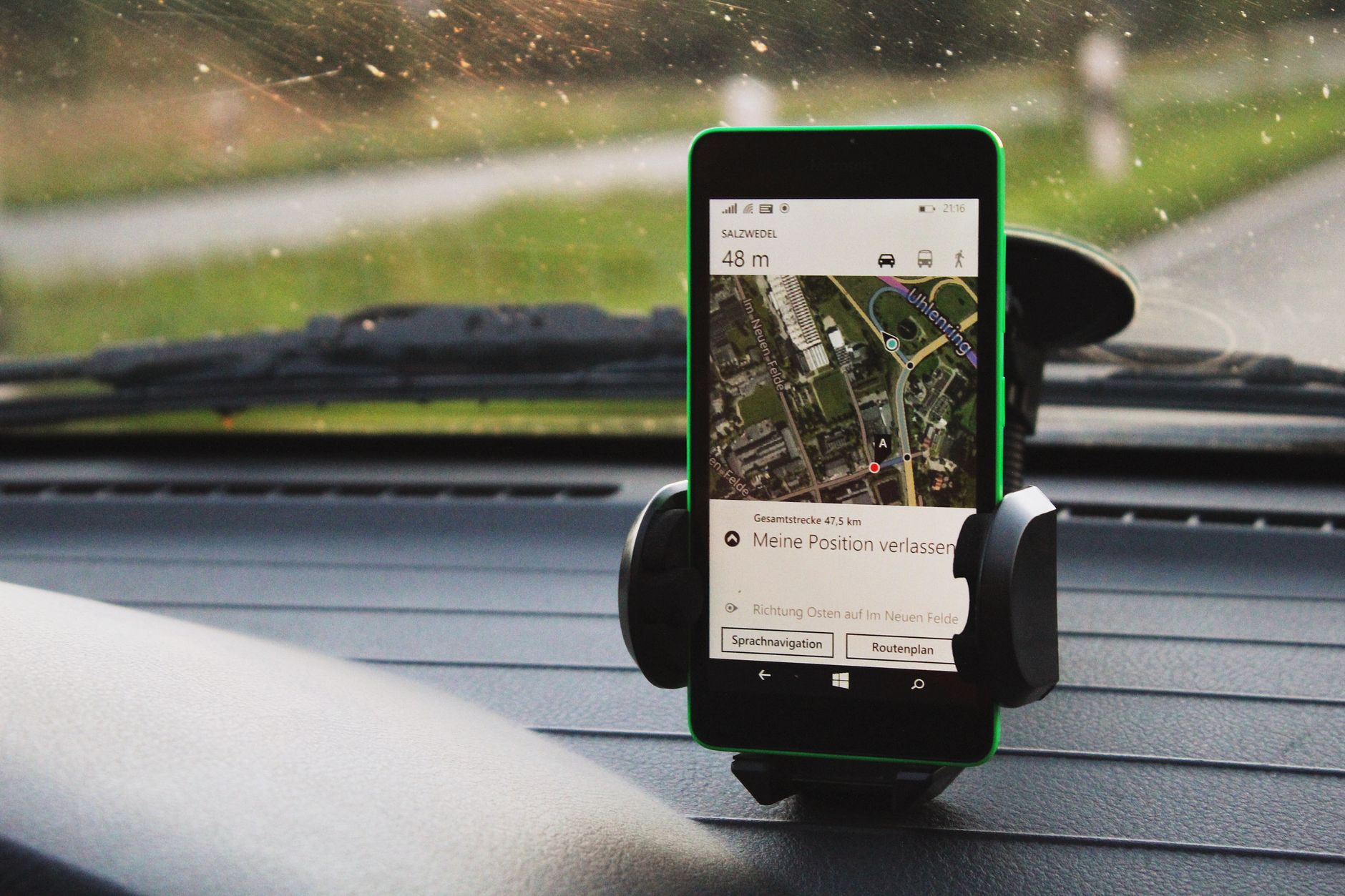
Every telematics pitch leads with the discount — “save up to 30%!” — and stays silent about the other tail of the curve. Having built renewal models inside a carrier, I can tell you the quiet part: most programs are two-sided. Score well and you save; score badly and your renewal drifts up, labeled as “rate adjustment,” never as “app penalty.”
The scoring is less mysterious than advertised. Hard braking is the heavyweight factor, followed by night driving (roughly 11pm–4am), phone handling, and mileage. Speed matters less than people assume; consistency matters more. A smooth 9-to-5 commuter with a garage is the model citizen these programs were built for. A hospital nurse driving home at 1am is not — regardless of how safely she drives.
So: plug in if your driving is daytime, low-mileage, and smooth — the savings are real, commonly 10–30%. Skip it if you work nights, brake hard in city traffic, or can’t keep the phone in the mount. And if you drive under about 6,000 miles a year, ask about true pay-per-mile pricing instead; it usually beats the app discount without the behavioral surveillance.
A distributor quoting many carriers can compare the programs themselves — base rates, scoring rules, surcharge policies — not just the headline discount. That comparison is where the actual money is.
About the author
Maya Brooks
Co-founder · Principal Advisor
A former carrier underwriter who got tired of watching loyal customers subsidize new ones, Maya co-founded Lanewise to put the rating spread in the driver’s favor.
Content on this site is general information about auto insurance and is not advice about your specific situation. Consult a licensed insurance professional about your own coverage needs.